Maintaining an Existing Design System

Improved consistency, scalability, and adoption of an existing design system used across multiple products

Maintained Security Bank's existing design system to ensure visual and functional consistency across multiple platforms and product teams. The focus was on improving reuse, reducing inconsistencies, and establishing a scalable foundation for ongoing product development.

Problem Statement

As the product scaled, the design system became fragmented. Teams began creating ad-hoc components due to unclear documentation, inconsistent standards, and gaps in the existing system. This resulted in visual inconsistencies, duplicated work, and slower design-to-development handoffs.
Role & Responsibilities

Project type: Design system maintenance & documentation

Role: UI/UX Designer

Design System Team: 3 members

Platforms: Web & Mobile

Tools: Figma, Storybook, JIRA and Confluence

Timeline: 1 year

Users: 15+ feature designers, Multiple development teams across different projects

My Contributions

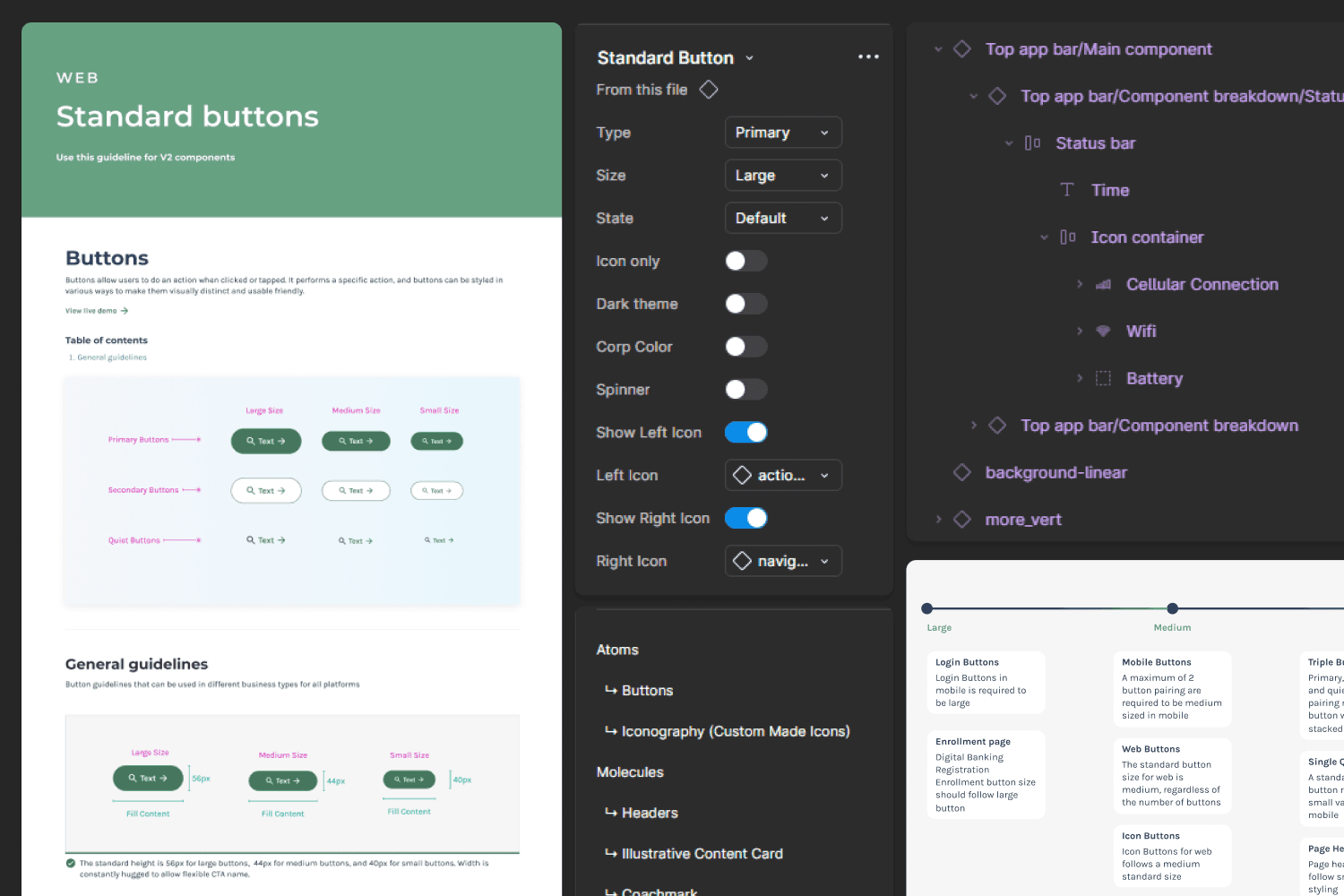
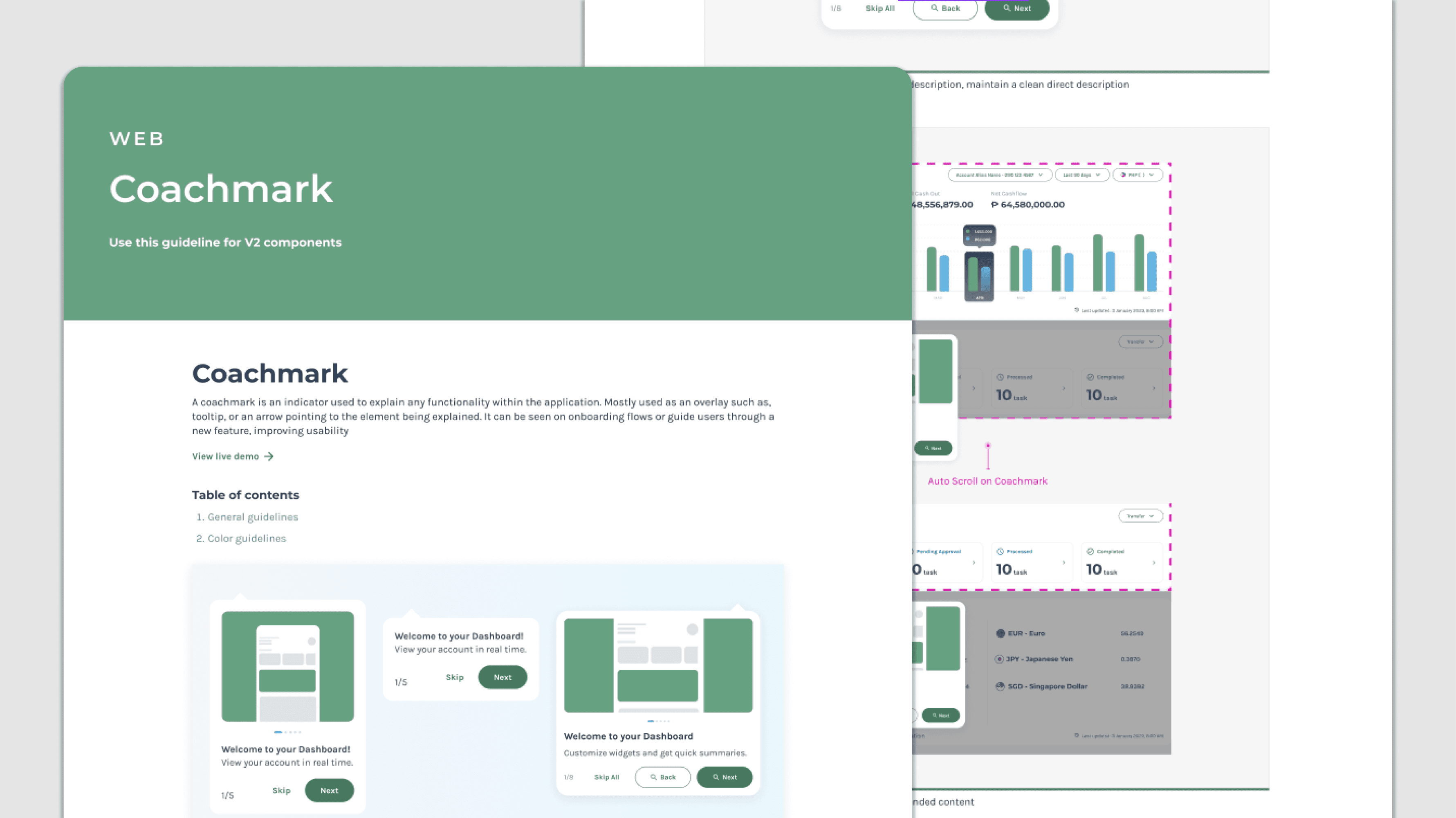
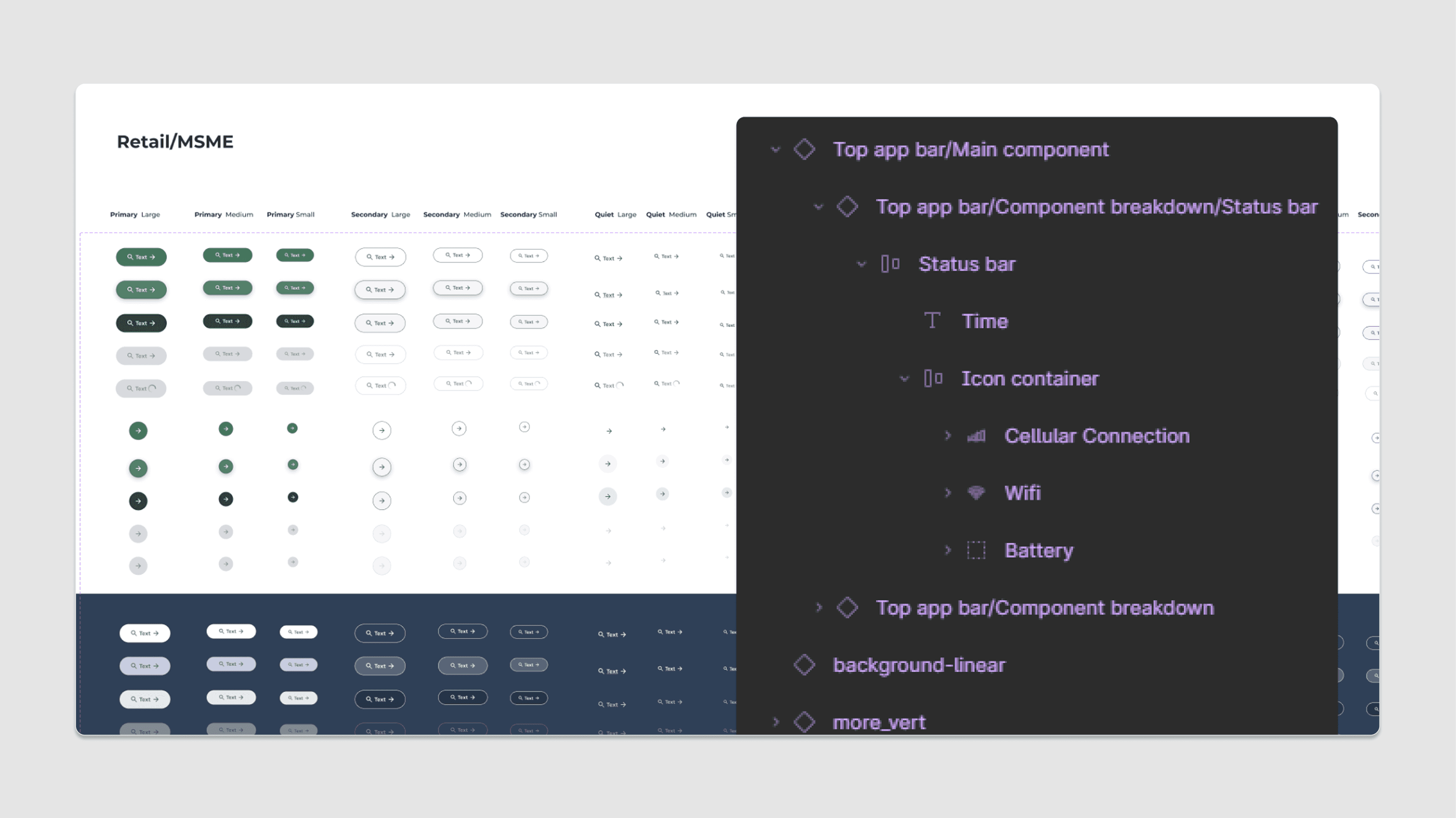
Documented reusable UI components in Figma, improving team efficiency and reducing duplicated work.

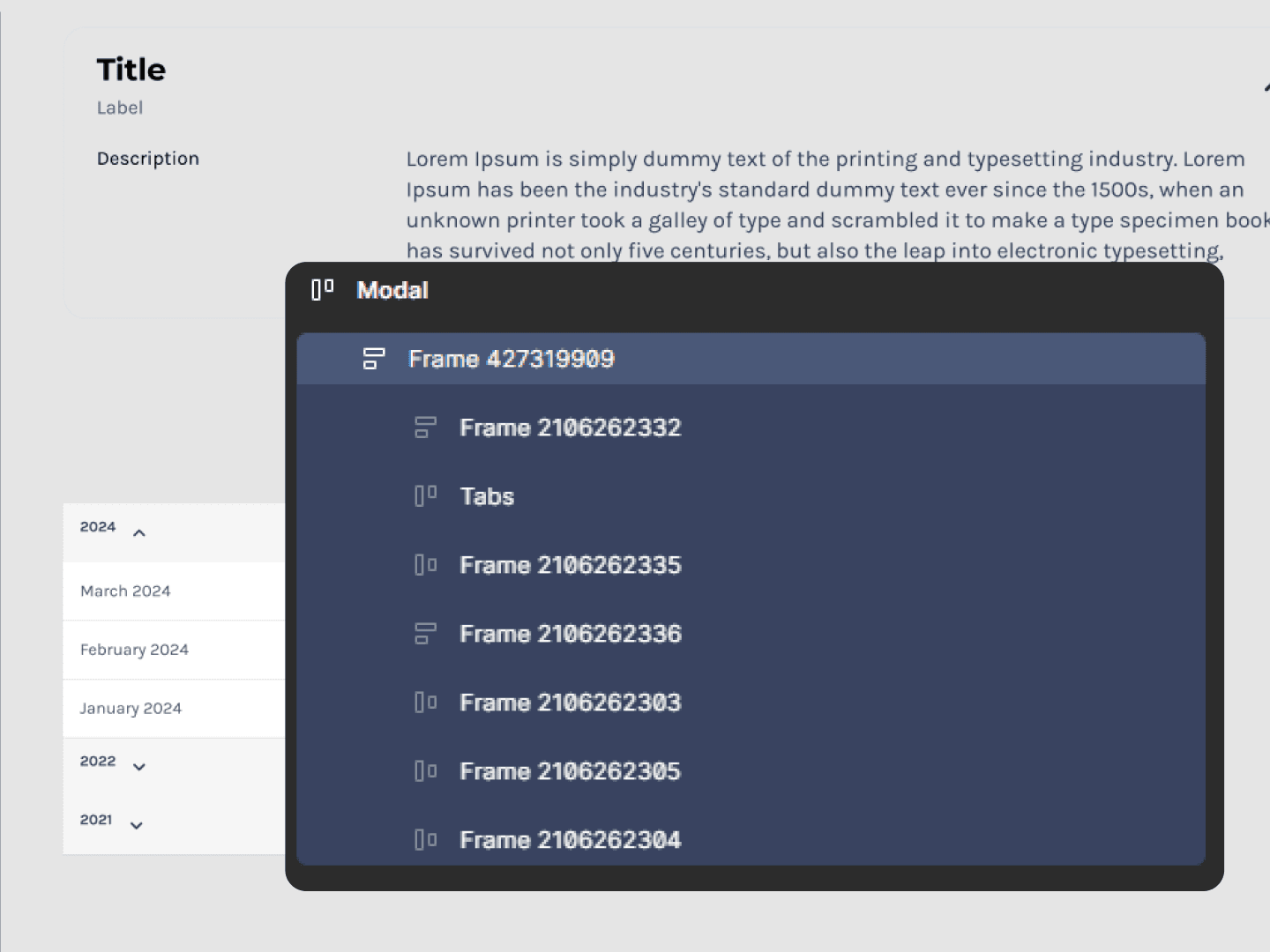
Cleaned up design files by removing duplicated frames, consolidating variants, and restructuring layers for long-term maintainability.

Applied clear naming conventions across components and layers to improve readability, handoff, and collaboration.
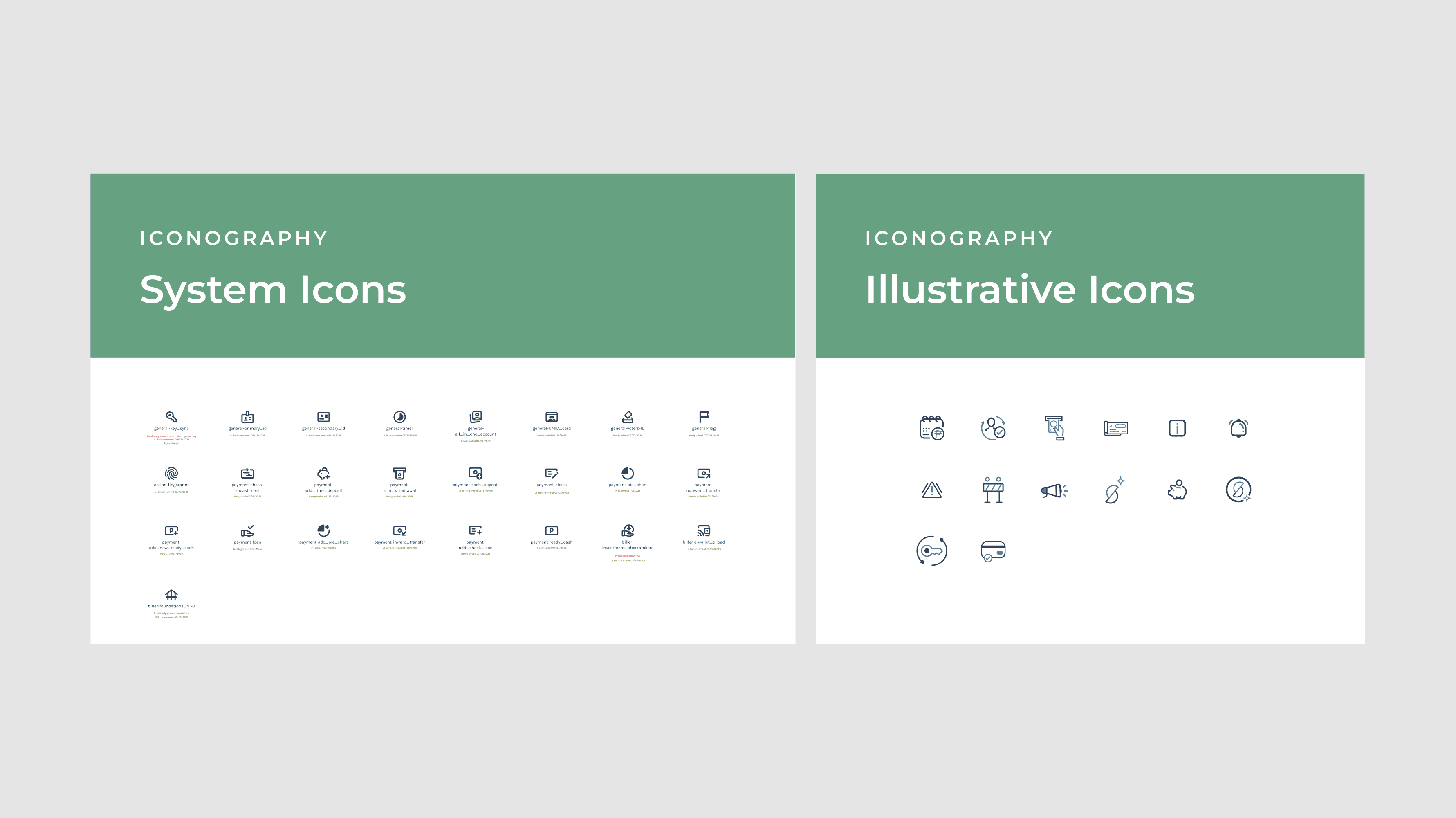
Created custom illustrated icons based on product and team requirements while maintaining alignment with system guidelines.

What This Means for Product Teams

Smoother workflows

Faster design handoffs

Scalable growth

Efficient implementation of new features across all platforms

Reduced ambiguity

Shared understanding across design, development, and product

Eliminating inconsistent design patterns

No more bypassing the design system to follow specific requirements

Key Learnings

A design system is never truly finished, but rather always improving. Documentation is as critical as components; without it, even well-designed systems lose adoption.

The two principles for design system is reusability and scalability, no component should be content-specific, it should create a framework that doesn’t restrict, and should always consider multiple use cases.

Key Learnings

Clear hierarchy and structure often have more impact than adding new features.


Small layout and spacing adjustments can significantly influence user confidence and decision-making when applied intentionally.

All rights reserved © 2026

Romel Galorio

Create a free website with Framer, the website builder loved by startups, designers and agencies.